
A New Humanitarian Philosophy

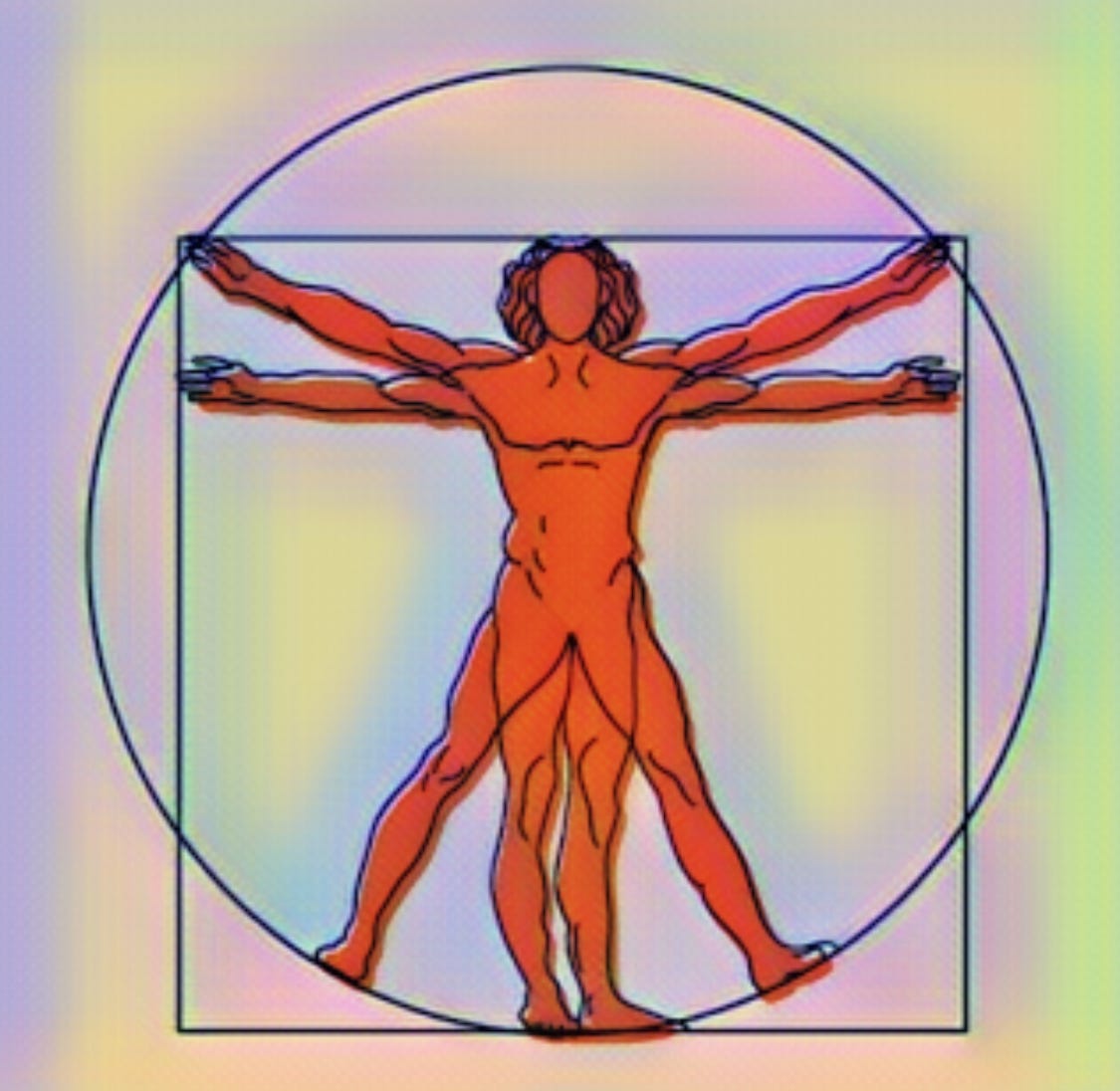
The foundation of a new humanitarian philosophy, rooted in balance, reconciliation, and syncretism, would seek to harmonize seemingly opposing perspectives into a cohesive, dynamic system of thought. This philosophy would emphasize the integration of individual and collective well-being, progress and preservation, freedom and responsibility, blending traditions, and fostering a “radical center” that transcends political polarization. At its core, it would be a humanitarian approach centered on the dignity, empowerment, and flourishing of all human beings, alongside the sustainable stewardship of the Earth.
Syncretism as the Animating Logic
This philosophy begins with principles of syncretism—the reconciliation of opposites and the synthesis of diverse perspectives into a unified whole. Several philosophical traditions offer frameworks for such synthesis:
• Taoism presents the dialectical interplay of Yin and Yang, emphasizing the unity of opposites and the flow of life through balance. This idea supports a worldview where harmony is achieved not through rigid solutions but by fluid responses to change.
• Aristotle’s doctrine of the mean advocates for balance between extremes, promoting virtuous moderation in all aspects of life. This principle encourages thoughtful temperance in decision-making, whether it pertains to governance, ethics, or individual behavior.
• Buddhism’s Middle Way provides another model for navigating extremes, whether in thought, conduct, or societal structures. This non-dogmatic approach allows for flexibility and adaptability, encouraging compassion and wisdom in addressing human needs.
• Erasmus’ and Montaigne’s humanism brings forward a vision of rational inquiry, tolerance, and the inherent dignity of human beings. This legacy of humanism underscores a commitment to dialogue, open-mindedness, and intellectual humility.
• William James’ and John Dewey’s pragmatism introduces a practical orientation, where truth is seen as fluid and evolving, contingent upon its usefulness and applicability in the real world. Pragmatism allows this new humanitarian philosophy to remain adaptive, flexible, and results-oriented.
• Aurobindo Ghose’s integration of opposites offers a spiritual framework, suggesting that individual and collective evolution arise through the harmonization of material and spiritual dimensions, creating a dynamic wholeness that transcends fragmentation.
These principles collectively create a dialectical, integrative framework—an animating logic that blends opposites, balances extremes, and seeks common ground without sacrificing individual nuance or freedom.
Influences of the New Radical Center
This new radical center draws from a diverse range of intellectual traditions, emphasizing decentralization, pluralism, ecological thinking, and technological innovation. These influences highlight the philosophy’s ability to adapt and integrate a wide spectrum of human thought and practice.
1. The Minarchism of Hayek and Nozick: Minimal government intervention combined with an emphasis on free markets and individual liberty forms the basis of political and economic freedom. This idea contributes to a flexible societal structure that avoids authoritarian control while preserving the necessary functions of governance.
2. The Municipalism of Bookchin and Lefebvre: Decentralized, locally controlled municipalities enable grassroots democracy and empower communities to solve problems at the local level. This influence emphasizes the importance of community-based governance and the collective ownership of public spaces.
3. The Pragmatism and Pluralism of James, Rorty, and Berlin: In embracing diverse viewpoints and pragmatically addressing challenges, the new radical center remains adaptive and open to evolving ideas. Pluralism ensures that no single ideology dominates, allowing for a vibrant marketplace of ideas.
4. The Anarchic Scientific Method of Kuhn and Popper: The scientific method, driven by curiosity, skepticism, and falsifiability, serves as the foundation for societal and intellectual progress. Kuhn’s concept of paradigm shifts and Popper’s emphasis on falsification foster an environment where constant re-evaluation is encouraged, promoting innovation and critical thinking.
5. The Libertarian Technocracy of St. Simon, Beck, and Brand: Technological innovation, guided by libertarian principles, would drive progress while avoiding the pitfalls of centralization and authoritarianism. This technocratic approach empowers individuals and communities to leverage technology for the greater good, with a focus on sustainability and ecological stewardship.
6. The Power Analysis of Nietzsche and Foucault: The exploration of power dynamics—whether between individuals, within institutions, or across societies—highlights the need for vigilance in addressing hierarchies, oppression, and domination. This influence fosters a continual critique of authority and an emphasis on empowerment and self-mastery.
7. The Communalism of Kropotkin and Pannekoek: Mutual aid and communal cooperation are central to this philosophy. By fostering solidarity and collective responsibility, this communalism encourages the idea that society thrives when people work together toward common goals, while preserving individual autonomy.
8. The Feminist/Womanist Epistemology of Goldman and Wajcman: The emphasis on diverse perspectives, particularly from marginalized voices, adds a layer of critical inquiry into how knowledge, power, and social structures intersect. Feminist and womanist thought encourages inclusivity and challenges traditional hierarchies, leading to a more just and equitable society.
9. The Cosmism of Teilhard de Chardin and Vernadsky: Human society is viewed as part of an evolving, interconnected cosmos, where the emergence of the noosphere (the collective human mind) marks a new stage of evolution. This cosmism invites a grander vision of humanity’s role in the universe, emphasizing spiritual evolution alongside material progress.
10. The Ecology of Latour and Naess: Ecological thinking permeates this new philosophy, stressing the interconnectedness of all life forms and the importance of environmental stewardship. Latour’s emphasis on the hybrid nature of human and non-human actors and Naess’s deep ecology inspire an ethical framework where humans are stewards of the Earth, not dominators.
The Balance and Reconciliation of the New Humanitarian Philosophy
At the core of this new humanitarian philosophy is the idea of balance—balancing freedom with responsibility, individuality with community, progress with sustainability, and reason with intuition. It fosters a dialectical reconciliation between opposites, drawing on the syncretic logic of Taoism, Aristotle, and other traditions that seek to unify rather than polarize.
• The individual is seen as sovereign, but always in relation to the collective. Personal liberty and creative freedom are held sacred, but so is the individual’s responsibility to others and the environment.
• Society is envisioned as both decentralized and interconnected. Municipal governance coexists with larger global networks, allowing local autonomy while supporting global solidarity.
• Knowledge is fluid and evolving. Pragmatic solutions are prioritized over ideological rigidity, with science, art, and spirituality all contributing to the advancement of human understanding.
• Progress is not linear but evolutionary, reflecting Teilhard de Chardin’s vision of humanity evolving toward higher consciousness, while integrating Aurobindo’s view that opposites must be reconciled for real progress.
This humanitarian philosophy represents a new radical center—one that transcends traditional binaries and redefines political, ethical, and social boundaries. It seeks a future where freedom, community, innovation, and sustainability are all harmonized in the service of human flourishing and planetary well-being.